Machu Picchu is the reason most people book a flight to Peru. It deserves the hype. But a Peru travel itinerary built only around the citadel misses most of the country. Peru is the fog rolling over Lima’s cliffs at lunchtime. It’s a Sacred Valley market where people buy potatoes in dozens of colors. It’s a quiet canoe on an Amazon oxbow lake at dusk.
In this guide, you’ll learn how to plan your trip in layers. First comes a seven-day core that covers the essentials at a comfortable pace. Then you’ll see which extensions fit your interests and how much time each one needs. Along the way, our team in Lima shares the small tips that make a trip feel local. You’ll also see how your trip supports MEDLIFE’s work in the places you visit.
Your Peru travel itinerary core: seven days
Seven days is enough to see Lima, Cusco, the Sacred Valley and Machu Picchu without rushing. This is the shape of our Classic Peru tour, and it works well for first-time visitors.
Days 1–2: Lima deserves a full day
Many travelers treat Lima as a quick stop. Give it a full day before you fly to the mountains. Walk the Malecón in Miraflores and stop at Parque del Amor for the Pacific views. Then head to the historic center for Plaza San Martín, Plaza de Armas and the San Francisco Convent.
Insider tip: in Lima, lunch is the main meal. Ceviche is a lunchtime dish, and many cevicherías close by late afternoon. For a cheap and filling local lunch, look for a “menú” sign. It means a set meal with a starter and a main course. Our Lima insider experience goes deeper into the neighborhoods most visitors never see.
Days 3–4: Cusco and the altitude
Cusco sits at about 11,150 feet (3,400 meters). Plan a slow first afternoon. Drink water, try a cup of coca tea and save the big walks for the next day. Then explore Qorikancha, the most important temple of the Inca Empire, and the ruins around the city: Sacsayhuamán, Q’enqo, Puka Pukara and Tambomachay.
Days 5–6: Sacred Valley and Machu Picchu
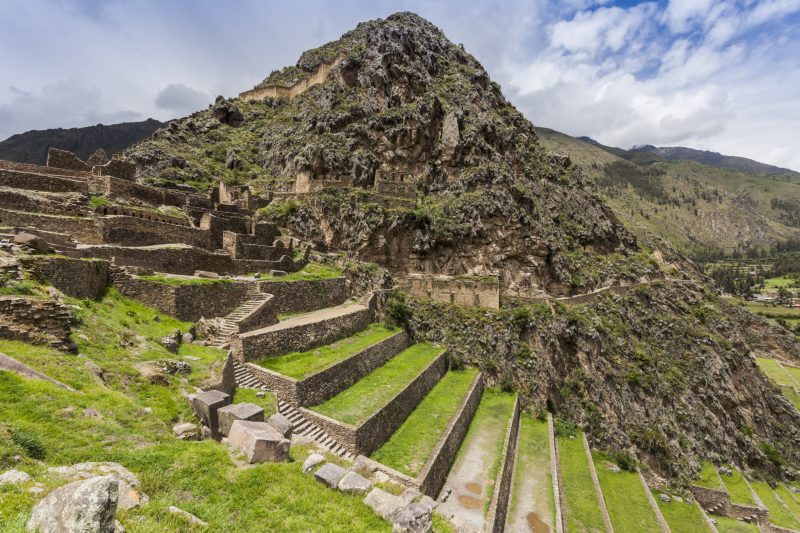
The Sacred Valley is lower than Cusco, so most travelers feel better here. You can choose between two routes. One visits the circular terraces of Moray and the salt pans of Maras. The other stops at the ruins and market of Pisac. Both end at the Ollantaytambo fortress. From there, the train takes you toward Machu Picchu. A guided visit helps you read the site’s agricultural, residential and religious sectors.
Add a layer: the real Peru beyond Machu Picchu
With three or four extra days, your trip changes character.
The Amazon (4 days)
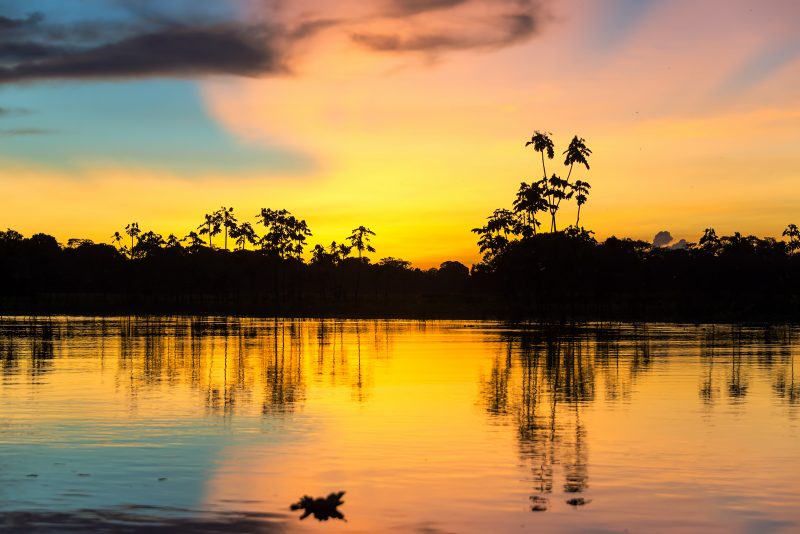
From Lima or Cusco, a short flight takes you to Puerto Maldonado. A boat ride on the Madre de Dios River brings you to your lodge. Over the next days you might paddle Sandoval Lake, walk a canopy walkway above the forest and learn how families harvest Brazil nuts. Wildlife sightings depend on season and luck, so treat each one as a gift. Our Amazon Extension is built to plug straight into the core itinerary. Read about the best time to visit the Amazon before you choose dates.
The coast and the desert (2–3 days)
South of Lima, Paracas offers desert landscapes and boat trips to the Ballestas Islands, home to sea lions and seabirds. It’s an easy add-on at the start of your trip, before you go up to altitude.
The southern Andes (4–5 days)
Arequipa, the “White City,” is built from pale volcanic stone. Nearby, the Colca Canyon is one of the deepest canyons on Earth. Continue to Lake Titicaca to meet communities on the islands. This route also helps your body adjust to altitude gradually.
A slower Sacred Valley (1–2 days)
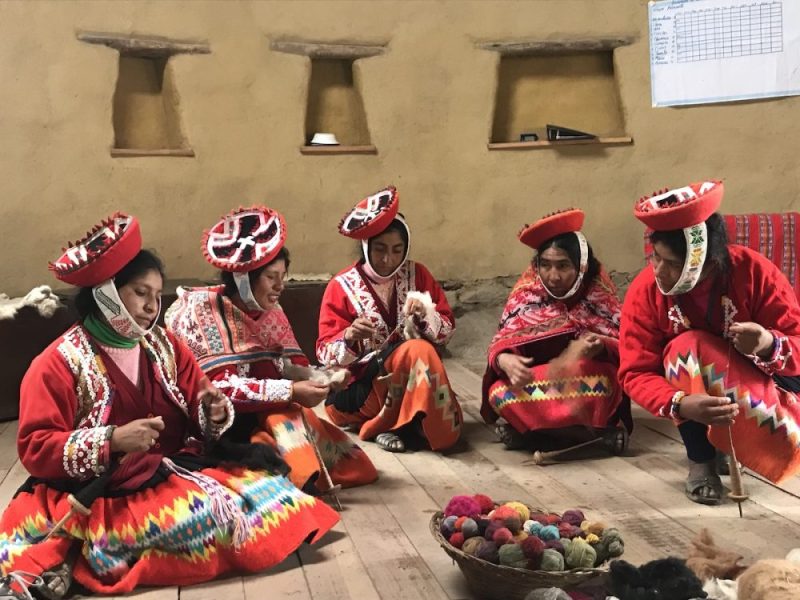
Some travelers prefer depth over distance. Add a day for a weaving village visit, a hike to little-visited ruins or a farm-to-table lunch. You’ll spend less time in transit and more time with the people who live here.
If you have two full weeks, you can combine several layers. Our two-week Peru itinerary shows one way to do it.
How your trip gives back in Peru
Good Life Expeditions was born from MEDLIFE, a nonprofit that partners with communities in Peru on health, education and community development. We plan trips in the places where MEDLIFE works. Part of what you invest in your trip stays in the country and helps fund those projects.
The impact also shows up in the daily details. Your guides, drivers and many of the lodges are Peruvian. Our planning team is based in Lima, so your money supports local jobs from the first day. And if you or your child are joining a MEDLIFE service learning trip, adding a few days of travel is a natural way to see more of the country you came to know.
Start planning your trip
Your Peru travel itinerary can start with the classics and grow from there. Our Lima-based team will help you choose the right layers for your time, budget and interests. View Tour Packages to compare options, or contact us for a custom plan built around your group.
Frequently asked questions
How many days do you need in Peru?
Seven days covers Lima, Cusco, the Sacred Valley and Machu Picchu at a comfortable pace. With 10 to 12 days, you can add the Amazon or the southern Andes. Two weeks lets you combine several regions.
When is the best time to visit Peru?
In the Andes, the dry season runs roughly from May to October, with sunny days and cold nights. The rainy season runs from about November to March. The Inca Trail usually closes in February for maintenance, but Machu Picchu stays open. Weather varies year to year, so plan with some flexibility.
Is Machu Picchu enough for a first trip to Peru?
Machu Picchu is a highlight. Still, many travelers remember the people, food and landscapes around it just as much. Adding Lima and the Sacred Valley gives you a fuller picture with little extra travel time.