Every trip is a long chain of small choices. Who you book with. Where you sleep. Where you eat lunch. Each choice decides who benefits from your visit. Learning how to travel responsibly means making those choices on purpose.
The good news is that you don’t need to give up comfort or adventure. Most responsible choices also lead to better trips. You meet more people, eat better food and understand the places you visit. In this guide, you’ll learn what to do at three key moments: before you book, while you travel and after you get home. You’ll also see how Good Life Expeditions applies these ideas in Peru, Ecuador and beyond.
How to travel responsibly before you book
Your biggest decision happens before you pack. The company you choose shapes where your money goes for the whole trip.
1. Follow the money
In traditional tourism, much of what travelers spend can leave the destination. It goes to companies based abroad, international hotel chains and imported goods. Experts call this “leakage.” Local guides, cooks and drivers may see only a small share. When you book, look for operators that hire locally and work with locally owned hotels and restaurants.
2. Ask your tour operator the right questions
A responsible company will answer these questions clearly:
- Are your guides and drivers from the region, and are they paid fairly?
- Which hotels do you use, and who owns them?
- How does your company support the communities you visit? Can you name specific projects?
- How do you keep group sizes respectful at busy or sacred sites?
Vague answers are a warning sign. Our guide on how to spot greenwashing explains what to look for.
3. Travel slower and off-peak when you can
Fewer flights and longer stays lower your footprint. Traveling in shoulder season helps too. It spreads visitors across the year and supports local jobs outside the busiest months.
On the road: everyday habits that make a difference
Once you arrive, small habits add up.
1. Eat and shop local
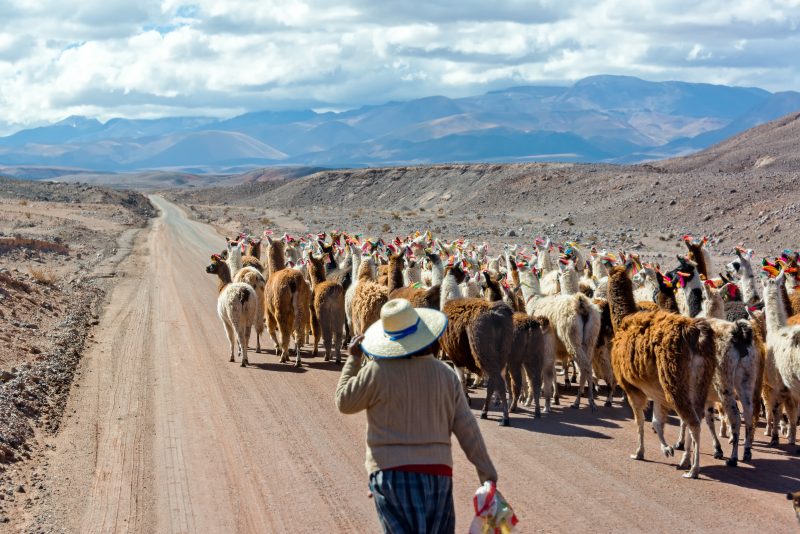
Choose family-run restaurants and markets. In Peru, a set lunch called “menú” is a local favorite and a great way to eat like a resident. Buy crafts directly from artisans or community cooperatives when possible. If you bargain, keep it friendly and fair.
2. Respect people and their homes
Ask before you take a photo of someone, and accept a “no.” Be especially careful with photos of children. Learn a few words of Spanish, or a Quechua greeting in the Andes. People notice the effort. At sacred sites like Machu Picchu, follow your guide’s lead and stay on marked paths.
3. Watch wildlife from a distance
Never touch or feed wild animals. Avoid paying for photos with captive monkeys, sloths or other wild animals, even when it looks harmless. In the Amazon or the Galápagos, sightings depend on season and conditions, so a good guide will never chase animals to guarantee a photo. Learn more about how to observe wildlife ethically.
4. Cut down on waste
Tap water isn’t recommended for drinking in much of South America. Bring a reusable bottle with a filter instead of buying plastic every day. Carry a cloth bag for market shopping. For more ideas, see these simple sustainable tourism practices.

After you get home
Responsible travel continues after your flight lands.
Leave reviews that name the guides, drivers and hosts who made your trip special. Local businesses depend on them. Share your photos and stories with care, showing people as partners with names and skills. Stay connected with the projects you learned about, and tell friends how they can travel the same way.
How Good Life Expeditions puts this into practice
Good Life Expeditions was born from MEDLIFE, a nonprofit that partners with communities on health, education and community development. We plan trips in the places where MEDLIFE works. Part of what you invest in your trip stays in the country and helps fund MEDLIFE’s projects. Our planning team lives in Lima, and we work with local guides, drivers and hosts. We also handle travel insurance, private transfers and expert guides, so a responsible trip is also a well-supported one.
Frequently asked questions
What is responsible travel?
Responsible travel means planning trips that respect local people, cultures and nature. It also means making sure communities share in the benefits of tourism. It applies to how you book, how you behave and what you spend money on.
Is responsible travel more expensive?
It doesn’t have to be. Family-run hotels, set lunches and local markets often cost less than international options. Some experiences, like small-group tours with expert guides, may cost more because they pay local staff fairly.
How can I tell if a travel company is truly responsible?
Look for specific answers. A responsible company can name its local partners, explain how it supports communities and show real projects. Be careful with general claims that offer no details.
Plan your next trip with purpose
Now you know how to travel responsibly at every stage of your journey. The next step is choosing a trip that puts these ideas into practice. View Tour Packages to explore destinations across South America and Africa, or contact our team to design a trip around your values.