The Maras salt mines look like nothing else in Peru. Hundreds of small pools step down a mountainside, shining white, pink and cream in the sun. Just a short drive away, the rings of Moray sink into the earth like a giant green amphitheater.
These two sites sit close together in the Sacred Valley, and most travelers visit them on the same day. In this guide, you’ll learn the history of the Maras salt mines and Moray, what you’ll see at each and how to plan your visit. You’ll also see how both fit into a guided trip with Good Life Expeditions.
The Maras Salt Mines: A Living Tradition
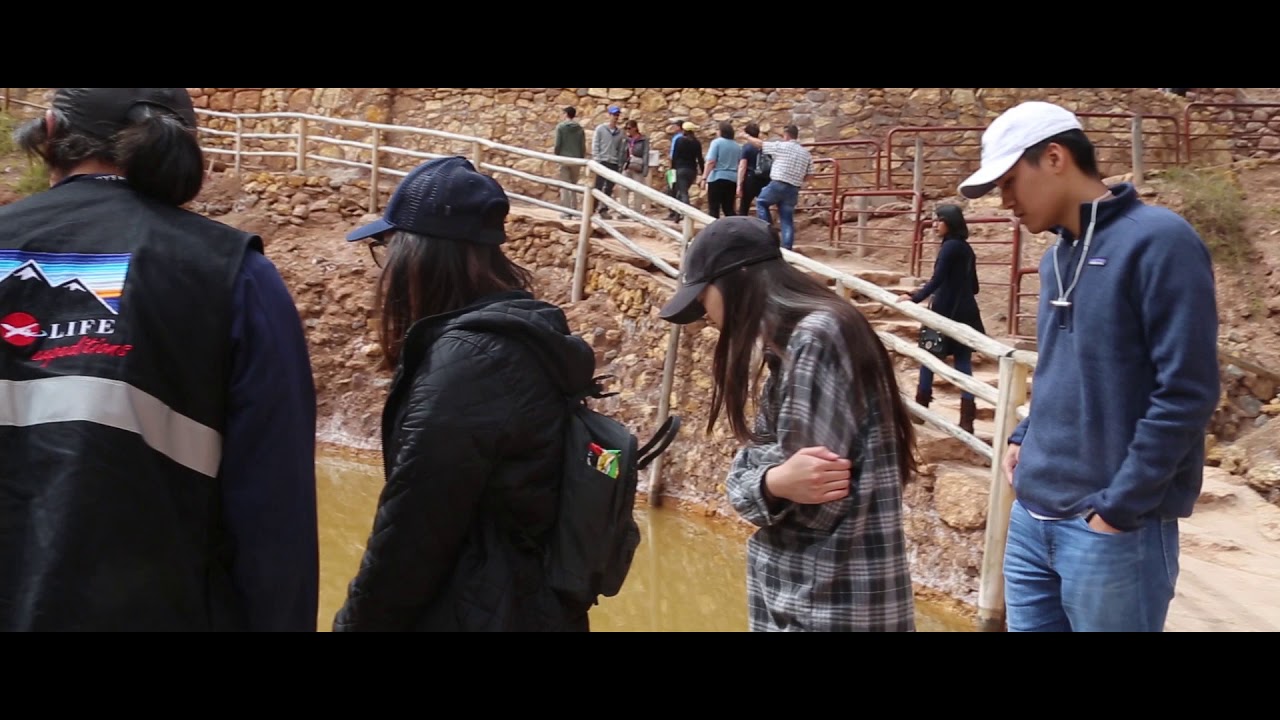
The salt pans of Maras, known locally as Salineras de Maras, sit on a steep slope above the Sacred Valley. A natural spring rises from inside the mountain. Its water is very salty. Channels carry it into hundreds of shallow pools, where the sun slowly evaporates it. What’s left behind is salt.
People harvested salt here long before the Incas. The tradition has continued for centuries.
Who works the salt pans
The pools are worked by families from the local community. Each family looks after its own pools. Workers open and close the channels, scrape the salt by hand and carry it up the slope in sacks. The work is hard, and it follows the rhythm of the dry season.
When you visit, you’ll walk along a path above the pools. Stay on the marked trails and give workers space. The salt pans are a workplace and a source of income for local families.
Bring some salt home
Small shops near the entrance sell salt from the pools. You’ll find plain salt, pink salt and blends with local herbs. Buying here is a simple way to support the families who keep this tradition alive.
Moray: The Mysterious Inca Terraces
Moray is a set of circular terraces carved into natural hollows in the land. The rings get smaller as they go down. The deepest one drops about 98 feet (30 meters).
The design creates different temperatures from top to bottom. Researchers think the Incas may have used Moray to test crops in different conditions. Its exact purpose is still not fully known, and that sense of mystery is part of its appeal.
From the rim, you can look down over the rings and the farmland that surrounds them. On clear days, snowy peaks rise in the distance.
Tips for visiting Moray
- Walk slowly. Moray sits higher than much of the valley, and the paths have some slopes.
- Bring sun protection. There’s little shade.
- Some areas may be closed to protect the terraces. Follow the posted routes.
Planning Your Visit to Maras and Moray
Maras and Moray sit between Cusco and Ollantaytambo. That makes them an easy addition to a Sacred Valley day. Most visits combine both sites, then continue down to the valley floor.
A few tips help:
- Dress in layers. The sun is strong at midday, but the wind can feel cool.
- Wear comfortable shoes. The paths at the salt pans can be narrow and uneven.
- Visit in the dry season for the best views. From about May to October, the skies are often clear. Our guide to the best time to visit Peru explains each season.
- Respect the sites. Don’t step into the pools or climb on the terraces.
Curious about other local traditions in the valley? Read about the small family businesses behind Sacred Valley chicha bars.
How Maras and Moray Fit Into Our Tours
Both of our active tours include a full day in the Sacred Valley. On that day, you choose between two routes.
Circuit A visits Moray and the Maras salt mines, then continues to Ollantaytambo for a walk up its terraces. Circuit B visits Pisac and Ollantaytambo instead. Just let us know your choice when you book.
This day is part of both the Machu Picchu Getaway and Classic Peru. In the afternoon, you’ll board the train to Aguas Calientes, ready to visit Machu Picchu the next morning. Your guide, transport and entrance tickets are included.
Want to know more about the day before you book? See our guide to a Sacred Valley tour.
Good Life Expeditions is the travel brand of MEDLIFE. A part of what you invest in your trip stays in Peru and helps fund MEDLIFE’s projects in local communities.

FAQ: Maras Salt Mines and Moray
Are the Maras salt mines still used today?
Yes. Families from the local community still harvest salt by hand, using a method passed down for generations.
What was Moray used for?
No one knows for sure. Many researchers believe the Incas used its terraces to study how crops grow at different temperatures.
Can you visit Maras and Moray on the same day?
Yes. The two sites are close to each other, and most visitors see both in a single Sacred Valley day.
Discover the Valley’s Hidden Wonders
Salt pools shaped by families for centuries. Stone rings that still puzzle scientists. Maras and Moray show a side of the Sacred Valley that many travelers miss. Let us plan the day, so you can simply take it all in.
Contact our team to start planning.