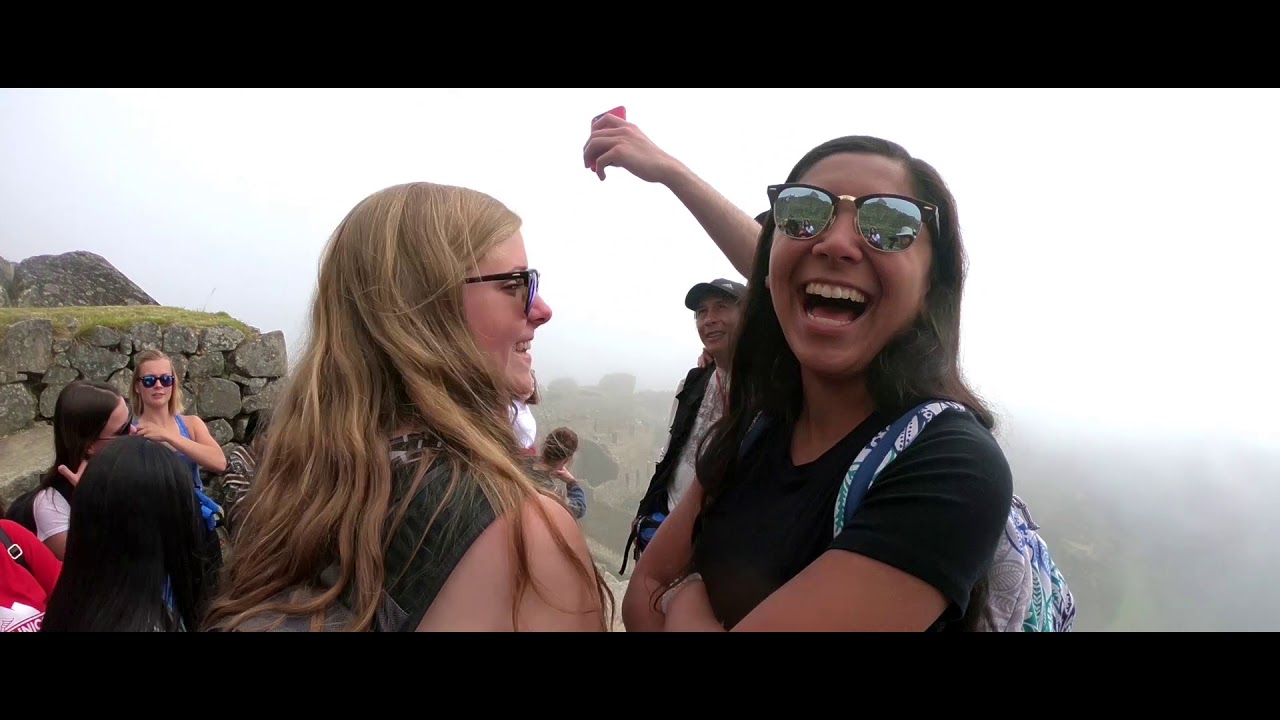
Standing at the entrance of Machu Picchu, it’s easy to feel overwhelmed. Stone buildings spread across a mountain ridge, terraces drop toward the river and peaks rise on every side. Understanding the Machu Picchu map before you arrive helps you make sense of it all. You’ll know what you’re looking at, where the key sites are and how the Incas organized this remarkable place.
In this guide, you’ll learn how the citadel is laid out, from its farming terraces to its temples and homes. You’ll discover the most important sites to look for and the mountains that surround them. You’ll also find tips for following the official circuits during your visit.
The Big Picture: How Machu Picchu Is Organized
Machu Picchu sits on a ridge between two mountains. Huayna Picchu rises to the north, and Machu Picchu Mountain rises to the south. The Urubamba River curves around the site far below.
The Incas divided the citadel into two main sectors:
- The agricultural sector: terraces on the southern and eastern slopes, where crops were grown.
- The urban sector: buildings, temples, plazas and homes.
Learn who built Machu Picchu and why in our history guide. A dry moat and a long wall separate these two areas. Inside the urban sector, a large central plaza divides the upper area, called “hanan,” from the lower area, called “hurin.”
Key Sites on the Machu Picchu Map
The agricultural terraces
These wide stone steps held soil for crops and protected the site from erosion. They also helped manage the heavy rains of the cloud forest.
The Guardhouse and Funerary Rock
Located above the terraces, this area offers the classic postcard view of Machu Picchu with Huayna Picchu behind it. It’s a favorite spot for photos.
The Main Gate
This trapezoidal stone gateway was the main entrance to the urban sector.
The Temple of the Sun
A curved stone tower built over a natural rock. Its windows are aligned with the sun during the solstices. Below it is a cave known as the Royal Tomb.
The Royal Residence
Finely built rooms believed to have housed the Inca ruler during visits.
The Sacred Plaza
Home to the Main Temple and the Temple of the Three Windows, which looks east toward the mountains.
The Intihuatana
A carved stone on a small hill, often linked to astronomy and the sun.
The Sacred Rock
A large flat stone whose shape echoes the mountain behind it.
The Temple of the Condor
Natural rocks and carved stones form the shape of a condor with outstretched wings.
The fountains
A series of stone fountains carried fresh spring water through the city.
Mountains and Trails Around the Citadel
- Huayna Picchu: the steep peak behind the citadel. It requires a separate ticket. Read our Huayna Picchu guide.
- Machu Picchu Mountain: a taller, longer hike with wide views.
- The Sun Gate (Inti Punku): the end of the classic Inca Trail, with views over the whole site.
- The Inca Bridge: a narrow path built into a cliff on the western side.
Following the Circuits
Today, visitors explore Machu Picchu along fixed, one-way circuits. Each ticket includes a specific circuit and entry time. Some circuits cover the upper viewpoints, while others focus on the lower temples. Rules and routes can change, so check the latest information before you go.
Learn more in our guide to Machu Picchu circuits explained.
Tips for using a map at Machu Picchu
- Download a map before you arrive. Signal is limited at the site.
- Follow your guide. Guides know the circuits and the stories behind each building.
- Take your time. You can’t walk backward on most circuits, so enjoy each stop.
- Look up and around. The mountains are part of the design.
Explore Machu Picchu With Good Life Expeditions
On our Machu Picchu Getaway and Classic Peru tours, you’ll explore Machu Picchu on a guided visit with a local expert. We handle your entry tickets, train and bus, so you can focus on the experience.
Good Life Expeditions is the travel brand of MEDLIFE. A part of what you invest in your trip stays in Peru and helps fund MEDLIFE’s projects in local communities.
FAQ: Machu Picchu Map
How is Machu Picchu divided?
It has an agricultural sector with terraces and an urban sector with temples, plazas and homes.
Can I walk freely around Machu Picchu?
No. Visitors follow fixed, one-way circuits based on their ticket.
What are the most important sites at Machu Picchu?
Key sites include the Temple of the Sun, the Intihuatana, the Sacred Plaza and the Temple of the Condor.
See the Citadel With New Eyes
A little map knowledge turns Machu Picchu from a beautiful view into a story you can read in stone. Arrive prepared, and every corner of the citadel will make more sense.
Contact our team to plan your Peru trip.