Not all local operators are the same, and in community-based tourism, that difference matters more than in almost any other type of travel.
Two tour operators can offer similar itineraries in Cusco while following very different tourism models. The difference often comes down to how the operator is structured, where tourism revenue goes, and how deeply community benefit is built into its operations.
Traditional tour operators operate primarily as private tourism businesses. NGO-led community-based operators connect tourism with a broader social mission, creating a different model for how revenue, local partnerships, and employment can work.
3 Key Differences Between NGO-Led and Traditional Tour Operators
Here are three key differences to consider when comparing the two models.
1. How Tourism Revenue Supports Local Communities
The biggest structural difference is where the money goes after the trip ends.
A traditional tour operator typically distributes profits to its owners or investors, which is completely normal for a private business. Community initiatives may also be part of its model, but they depend on the individual company’s priorities.
An NGO-led operator works differently. Because the tour company exists specifically to support the non-profit’s mission, surplus revenue can be reinvested into long-term health and development community programs.
Good Life Expeditions, for example, operates as the tour arm of MEDLIFE Movement, a non-profit with 15 years of on-the-ground work across Peru and Latin America. Revenue from trips helps support Mobile Clinics, educational programs, and community development projects across MEDLIFE’s program locations.
This is the structural version of what we explored in how sustainable travel with Good Life Expeditions keeps 75% of your money in local communities: community support is built into the reason the company exists.
2. Track Record in Long-Term Development
Community-based tourism claims are increasingly common, which makes an operator’s track record especially important. An established connection to long-term development work gives travelers something concrete they can evaluate beyond tourism messaging.
With a traditional operator, community impact depends on that company’s individual choices, which can evolve with new ownership, management, or shifting priorities.
When you book with an operator tied to an established NGO, you’re connecting with an institution whose mission predates the tours themselves, with a public history that travelers can research independently.
As we discuss why your choice of a Machu Picchu tour operator impacts local communities, the operator you choose helps shape who benefits from your trip.
3. Commitment to Local Employment
Community-based tourism is often framed around who travelers visit, but who a company employs matters just as much.
Employment models vary across tour operators, particularly in an industry affected by seasonality. That’s why travelers should also consider how local guides, porters, drivers, and other staff are compensated and supported.
For an NGO-led operator, supporting local economies can be built into the broader purpose of the business.
At Good Life Expeditions, local guides and staff are compensated through established pay structures rather than relying primarily on traveler tips. This creates a more predictable model for the people delivering the travel experience while keeping more tourism spending within the local economy.
Why does the Tour Operator Model matter in Cusco?
Cusco is one of Peru’s most important tourism destinations, with a large share of international travel concentrated around its archaeological sites and local tourism network. According to Peru’s Ministry of Foreign Trade and Tourism (MINCETUR), Machu Picchu alone received 981,666 international visitors between January and November 2024.
That volume of tourism connects travelers with a wide network of local guides, drivers, accommodations, restaurants, artisans, and other tourism professionals. As a result, the way a tour operator structures and spends the money generated by each trip can influence how much of that economic value remains within the local economy.
This is particularly relevant for travelers interested in community-based tourism. Choosing a locally connected operator can mean that more of your travel spending circulates through local businesses and professionals, while an NGO-led model can extend that connection further by linking tourism revenue with long-term community programs.
If you’re comparing options for your own trip, our guide on choosing a community-based tourism package in Cusco with local operators walks through what to look for when evaluating a community-focused operator.
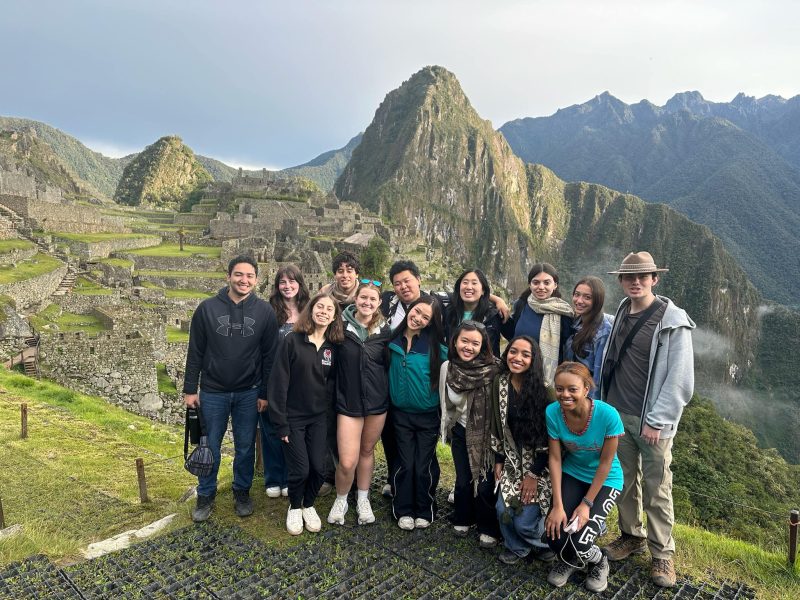
Explore an NGO-Led Machu Picchu Getaway
Ready to experience Cusco differently? Explore our 4-day Machu Picchu Getaway through Cusco, the Sacred Valley, and Machu Picchu, backed by the same NGO-led approach explored above.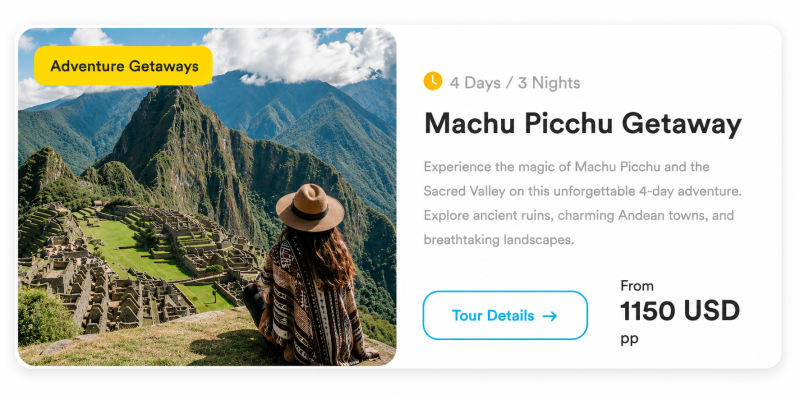
To learn how you can book a trip to Cusco that ensures profits go directly back into the communities and local economy of Peru, contact our expert travel team today!
Community-Based Tourism FAQs
Does an NGO-led operator cost more than a traditional tour company?
Not necessarily. Pricing is generally competitive with standard guided tours. The difference lies less in the sticker price and more in how the operator is structured and where tourism revenue goes.
Is community-based tourism only about visiting a community, or also about who runs the trip?
Both matter. Community-based tourism is not only about where travelers go, but also about how the trip is operated, who participates in the tourism economy, and how benefits are distributed over time.
How can I verify an operator’s NGO ties before booking?
Ask directly which non-profit owns or operates the company, and look for independently verifiable information about that organization’s history, programs, and long-term work rather than relying only on claims made on the tour company’s website.