The Micro-Economy of Sacred Valley Chicha Bars (Chicherías)
When travelers make their way through the Sacred Valley in Peru, their eyes are often drawn upward toward the towering Inca ruins and terraced mountainsides. Yet, tucked away along the dirt paths of Ollantaytambo, Urubamba, and Pisac lies an ancient micro-economy operating right at eye level: the local chicha bar.
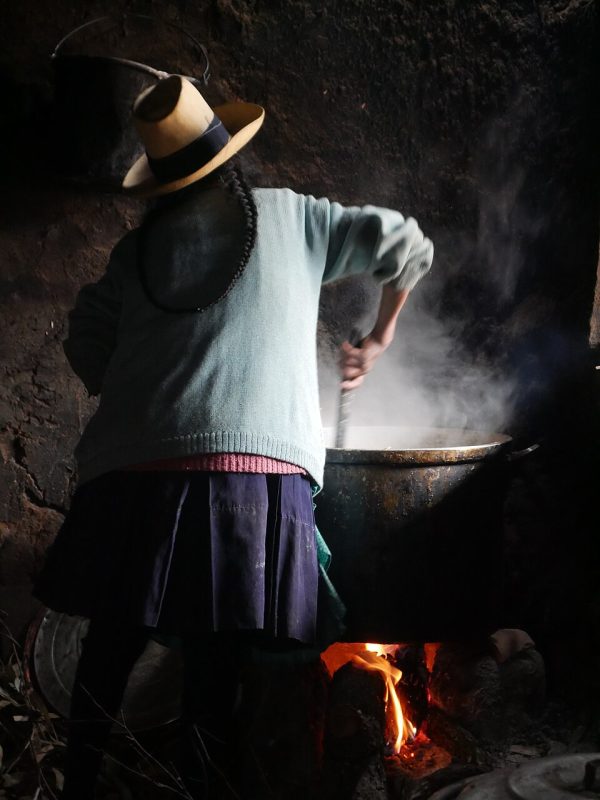
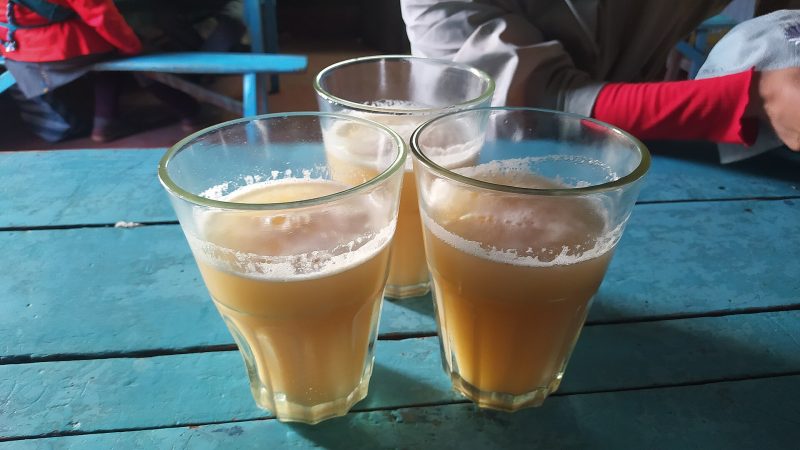
Known locally as chicherías, these non-descript home establishments serve as the social and economic bedrock of rural Andean communities. Recognized by a simple red plastic bag or red cloth tied to a long bamboo pole outside the doorway, a chicha bar signals to neighbors that a fresh batch of chicha de jora, a traditional fermented corn beer, has just finished brewing and is ready to serve.
The financial ecosystem of a chichería is built on ultra-local supply chains and microscopic profit margins that collectively sustain local/indigenous families. Here are the basics of how these businesses operate:
Zero-Mile Sourcing: The primary ingredient, jora (malted yellow corn), is grown in the valley.
Low-Barrier Micro-Enterprise: Brewing is almost exclusively managed by local women (chicheras), providing financial independence for many women in rural areas.
Affordable For Most: A large glass, known as a caporal, costs around 1 to 2 Peruvian Soles ($0.25 to $0.50 USD), making it an accessible communal gathering space for agricultural workers.
Cultural Etiquette & Terminology
For travelers looking to experience this living tradition respectfully, understanding the cultural dynamics of Peruvianchichas is essential.
Term / Etiquette
Meaning & Cultural Significance
Chicha de Jora
Low-abv (~1–3%) fermented corn beer, brewed in large clay vat (raqui).
Tinkay
The practice of spilling the first sip onto the earth as an offering to Pachamama (Mother Earth).
Caporal
The signature oversized glass container used to serve the brew.
Frutillada
A sweeter, pink variant made by blending the chicha with local strawberries or elderberries.
Etiquette Tip for Travelers: Never treat a chichería like a commercial tourist bar. These are private living rooms opened to the public. Always ask permission before taking photos, purchase a glass or a snack (like toqto, fried pork rinds), and ensure your visit directly supports the host family.
In an era where global supply chains dominate tourism, stepping into a neighborhood chicha bar keeps your travel spend 100% local. The money spent goes directly to the female head of the household, funding education, healthcare, and daily essentials without middleman leakage.
By taking time to sit on a low wooden bench, share a caporal, and pour a few drops to Pachamama, you aren’t just sampling an ancestral Inca beverage, you are actively participating in a micro-economic tradition that has sustained the Sacred Valley for over a thousand years.
To learn how you can book a trip through the Sacred Valley that ensures profits go directly back into the communities and local economy of Peru, contact our expert travel team today!
Good Life Expeditions prides itself on crafting unforgettable journeys for travelers from around the world. Don't believe us? Hear it from the travelers themselves!
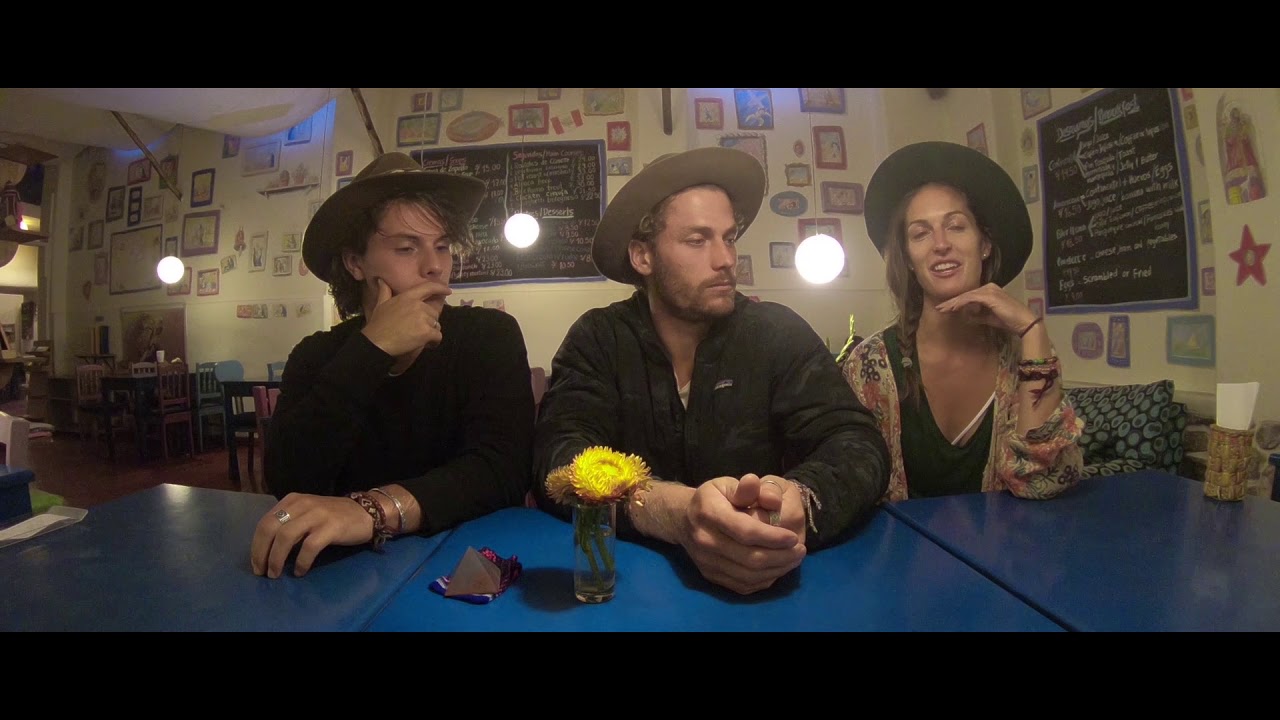
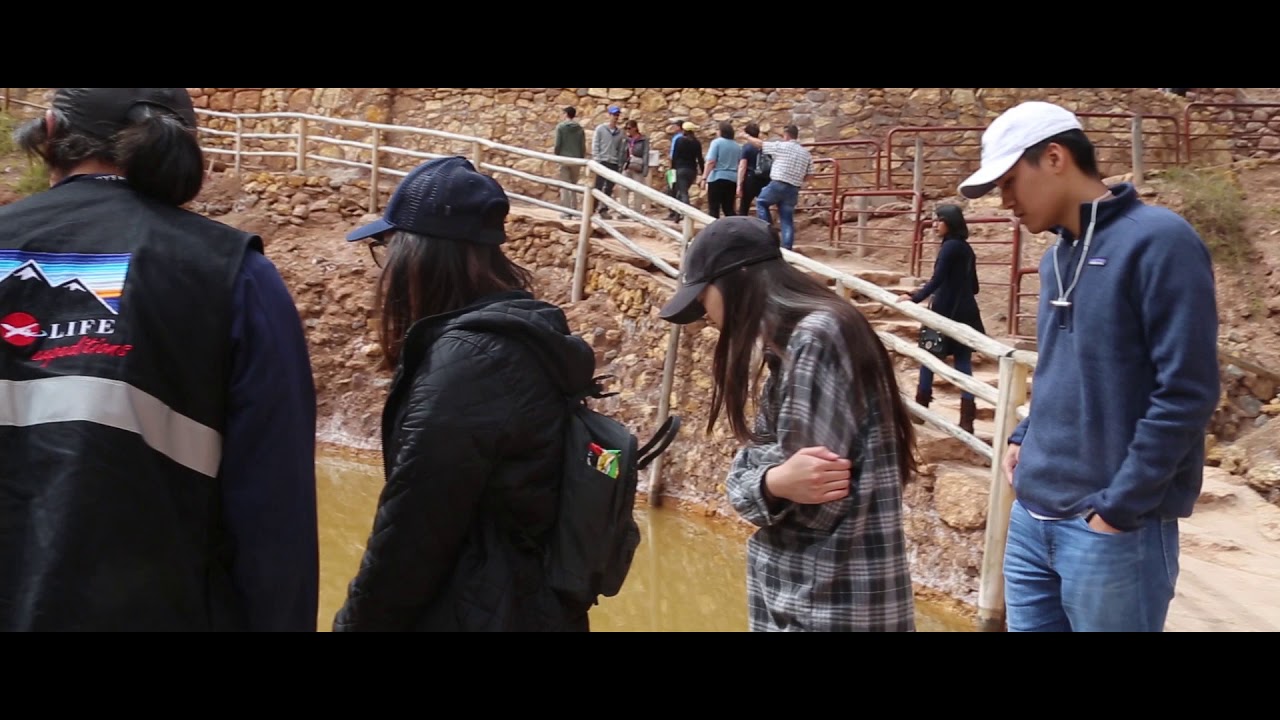
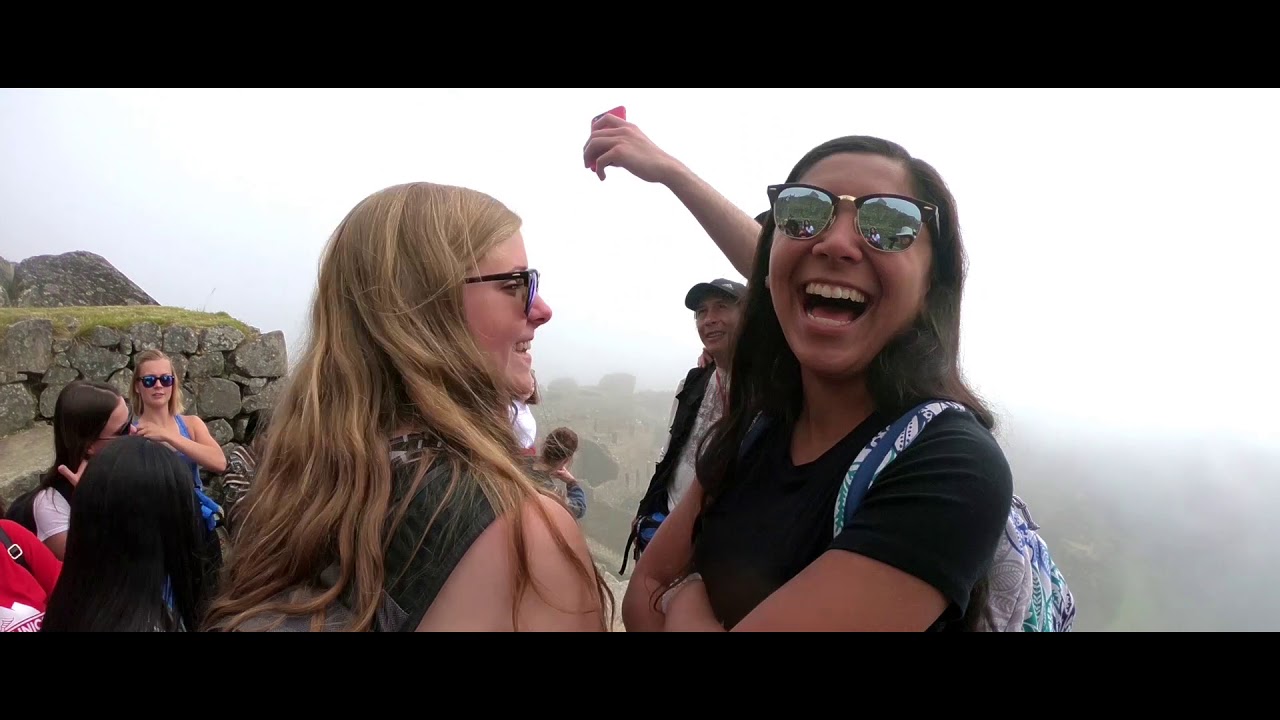
Jake, Phillipe, and Michelle tell us about their magical trip!
-
Jake, Phillipe, and Michelle
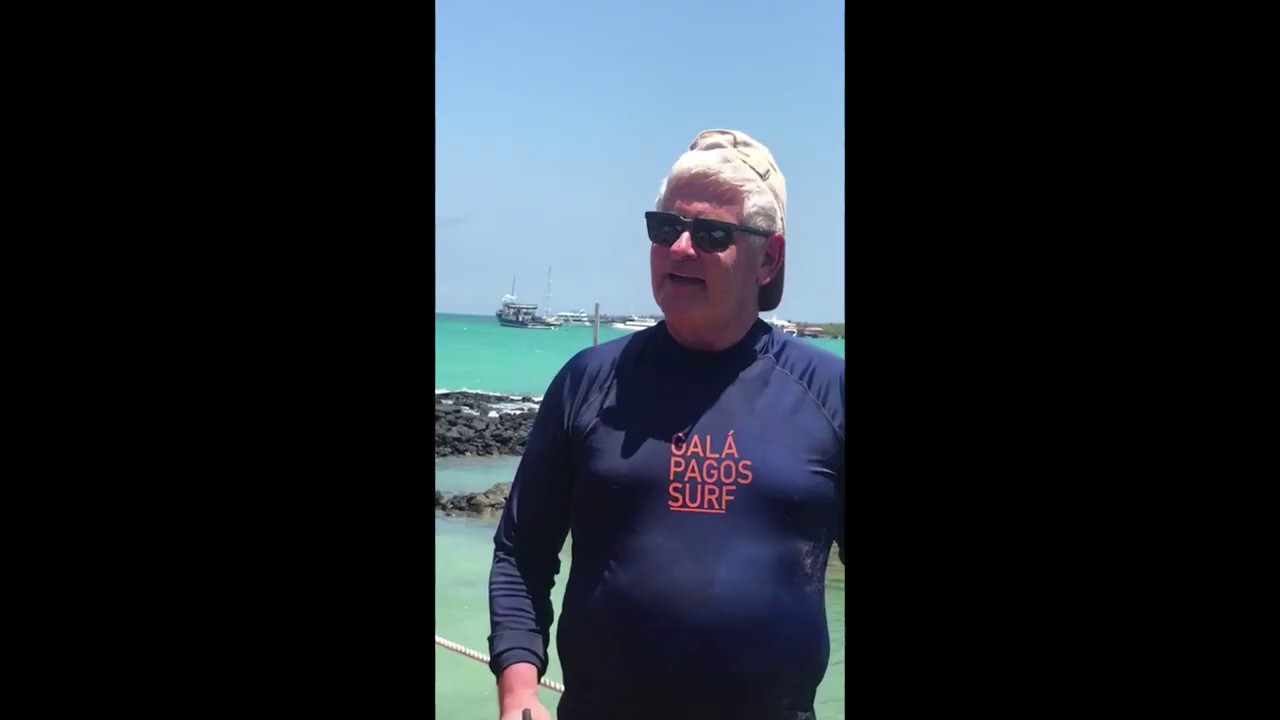
Check out this incredible expedition to the Galapagos Islands!
-
Richard and Kara
Check out what these travelers loved about their trip to Peru.
-
Sarah and Hakudo
These girls would recommend GLE to friends and family – check out why!
-
University of Wisconsin students
Check out what Thu Le has to say about her experience with Good Life Expeditions!